
Gestational diabetes is a specific type of diabetes that develops for the first time during pregnancy in individuals who did not previously have the condition. Affecting approximately 10% of expecting mothers, it represents a temporary shift in how the body processes blood sugar.
For the vast majority of women, this condition subsides shortly after delivery once hormone levels stabilize. However, during the pregnancy itself, it requires careful monitoring and active management to protect the health of both the mother and the developing baby.
The Root Cause: Why Pregnancy Alters Blood Sugar
During pregnancy, the placenta produces high levels of various hormones to support fetal growth. A side effect of these hormones is that they increase insulin resistance—meaning they block the action of the mother’s insulin in her cells.
To compensate, the pancreas must produce up to three times more insulin than normal. When the pancreas cannot keep up with this increased demand, blood glucose levels rise, resulting in gestational diabetes. While increased thirst and more frequent urination can sometimes signal the condition, it often presents no obvious symptoms at all, which is why universal screening between weeks 24 and 28 of pregnancy is a vital medical standard.
Evaluating the Risks
While gestational diabetes can happen to anyone, certain pre-existing factors place individuals at a higher risk. Healthcare providers closely evaluate these elements during early prenatal visits:
Advanced Maternal Age: Being over the age of 35.
Weight Status: Entering pregnancy overweight or experiencing obesity.
Sedentary Lifestyle: A chronic lack of physical activity.
Medical History: Having a baseline diagnosis of pre-diabetes or a history of gestational diabetes in a previous pregnancy.
Genetics: A family history of Type 2 diabetes in an immediate family member (parent or sibling).
The Stakes: Potential Complications
Leaving gestational diabetes unmanaged can lead to significant health complications for both the mother and the newborn child.
Impact on the Mother
Preeclampsia: High blood sugar raises the risk of gestational hypertension and preeclampsia—a serious medical condition characterized by sudden high blood pressure and potential organ damage.
Surgical Intervention: Babies exposed to high blood sugar grow larger, significantly increasing the likelihood of requiring a Cesarean section (C-section).
Future Chronic Disease: While the diabetes usually disappears after birth, mothers have a substantially higher statistical risk of developing permanent Type 2 diabetes later in life.
Impact on the Baby
Macrosomia (Excessive Birth Weight): The extra glucose in the mother’s blood crosses the placenta, forcing the baby’s pancreas to produce extra insulin. This causes the baby to grow larger than normal, risking shoulder dystocia or birth injuries during delivery.
Preterm Birth: High blood sugar can trigger early labor, or medical teams may decide to deliver the baby early to avoid complications.
Respiratory Distress and Birth Defects: Babies born prematurely due to gestational diabetes may suffer from underdeveloped lungs and severe breathing difficulties at birth.
Stillbirth: In severe, entirely untreated cases, unstable blood glucose levels can unfortunately result in fetal death shortly before or after birth.
Prevention and Management: A Proactive Blueprint
Managing gestational diabetes relies heavily on lifestyle adjustments as the first line of defense. The primary objective is to keep blood glucose levels tightly within a safe target range.
[ Balanced Nutrition ] + [ Daily Movement ] ──> Stable Blood Glucose ──> Reduced Delivery Risks
1. Tailored Nutritional Choices
Focus on a diet that prevents rapid blood sugar spikes. This means prioritizing complex carbohydrates, lean proteins, and healthy fats while minimizing processed sugars.
What to Choose: Fresh vegetables, low-glycemic fruits, whole grains (brown rice, oats), and lean meats (chicken, fish).
Expert Support: Consulting a registered dietitian can provide a personalized meal plan that counts carbohydrate portions to match your metabolic needs.
2. Consistent Physical Activity
Engaging in at least 30 minutes of moderate exercise daily (such as brisk walking or prenatal swimming) helps muscles absorb glucose for energy, naturally lowering insulin resistance and controlling excess fat buildup.
3. Regular Monitoring and Medical Intervention
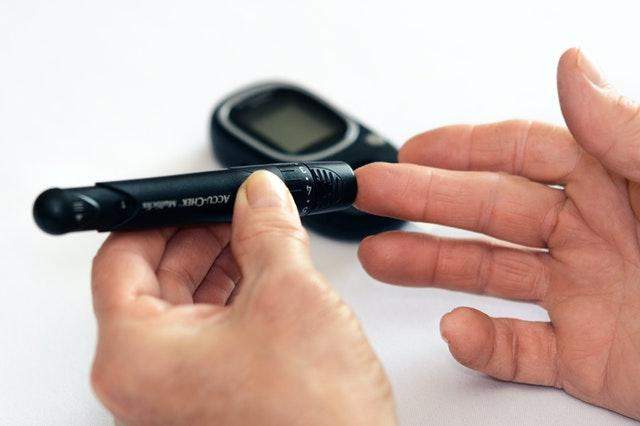
Track Your Numbers: Expecting mothers are often asked to track their blood glucose levels multiple times a day at home using a standard finger-prick glucometer.
Medication When Necessary: If dietary changes and exercise are not enough to stabilize blood sugar, healthcare providers will prescribe safe medical treatments, such as daily insulin injections, to protect the pregnancy.
Obesity and lifestyle habits are prime factors in the rising rates of gestational diabetes. By maintaining a healthy weight through optimal nutrition and regular activity both before and during pregnancy, you can drastically decrease your risks and lay the groundwork for a safe, healthy delivery.