
Walking down the grocery store aisle can feel confusing. Food packages are covered in bright labels that say “All Natural,” “Heart Healthy,” “Organic,” or “Low Fat.” Many times, these claims are just clever marketing tricks designed to make you buy the product.
To truly take control of your health, you must ignore the front of the box entirely. The front is a billboard for advertising. Instead, you need to turn the package over. You must look at the back and read the actual ingredient list.
Learning how to navigate this list is the easiest way to protect your body from hidden sugars, toxic fats, and harmful chemicals. It shifts your daily diet from guessing to pure, preventative medicine.
1. The Weight Rule: How Ingredients Are Listed
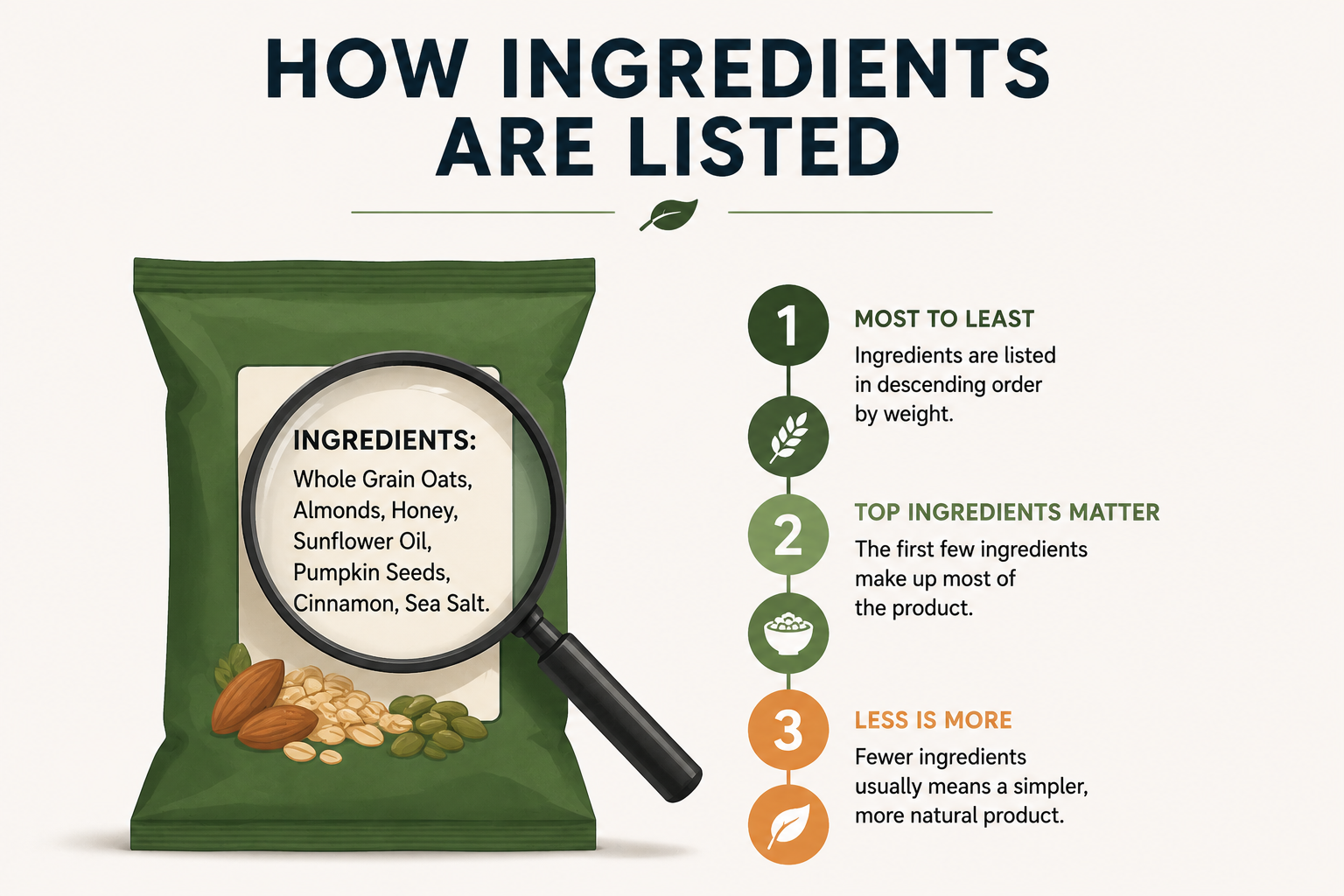
The most important rule of a food label is simple: ingredients are listed by weight. The ingredient that weighs the most goes first. The ingredient that weighs the least goes last.
If you buy a jar of tomato pasta sauce, the first three ingredients should be real, whole foods. You want to see tomatoes, olive oil, and garlic at the top of the list.
If the first three ingredients are water, sugar, and high fructose corn syrup, you are not buying healthy sauce. You are buying a jar of flavored sugar water. Always check the top three ingredients to see what you are actually eating. If a sweetener or an oil sits in the top slots, that product is a processed food in disguise.
2. The Three Sneaky Ways Food Labels Trick You
Food companies know that consumers look for healthy words. Because of this, they use specific strategies to hide unhealthy ingredients from a quick glance.
The Sugar Splitting Trick
A company might not want “Sugar” to be the very first ingredient on their box. To fix this, they use three or four different types of sugar. They might use cane sugar, high fructose corn syrup, maltodextrin, and fruit juice concentrate. Because they split the sugar into different names, each individual sugar weighs less. This allows the company to put a healthier ingredient, like whole oats, at the very top of the list. But inside the body, all those sugars combine to create a massive insulin spike.
The “Natural” Illusion
The word “natural” has almost no strict legal definition on food labels. A product can be loaded with chemical preservatives, synthetic dyes, and heavy processing, but still wear a “made with natural ingredients” sticker. Unless the package bears a verified, independent organic seal, assume the word natural is meaningless.
Serving Size Manipulation
Always look at the very top of the nutrition panel to check the serving size. A bottle of juice might say it only contains 50 calories and 10 grams of sugar. But if you look closely, the serving size might be “one-third of a bottle.” Since most people drink the whole bottle, you must multiply those numbers by three. You are actually drinking 150 calories and 30 grams of sugar.
The Hidden Chemical Checklist
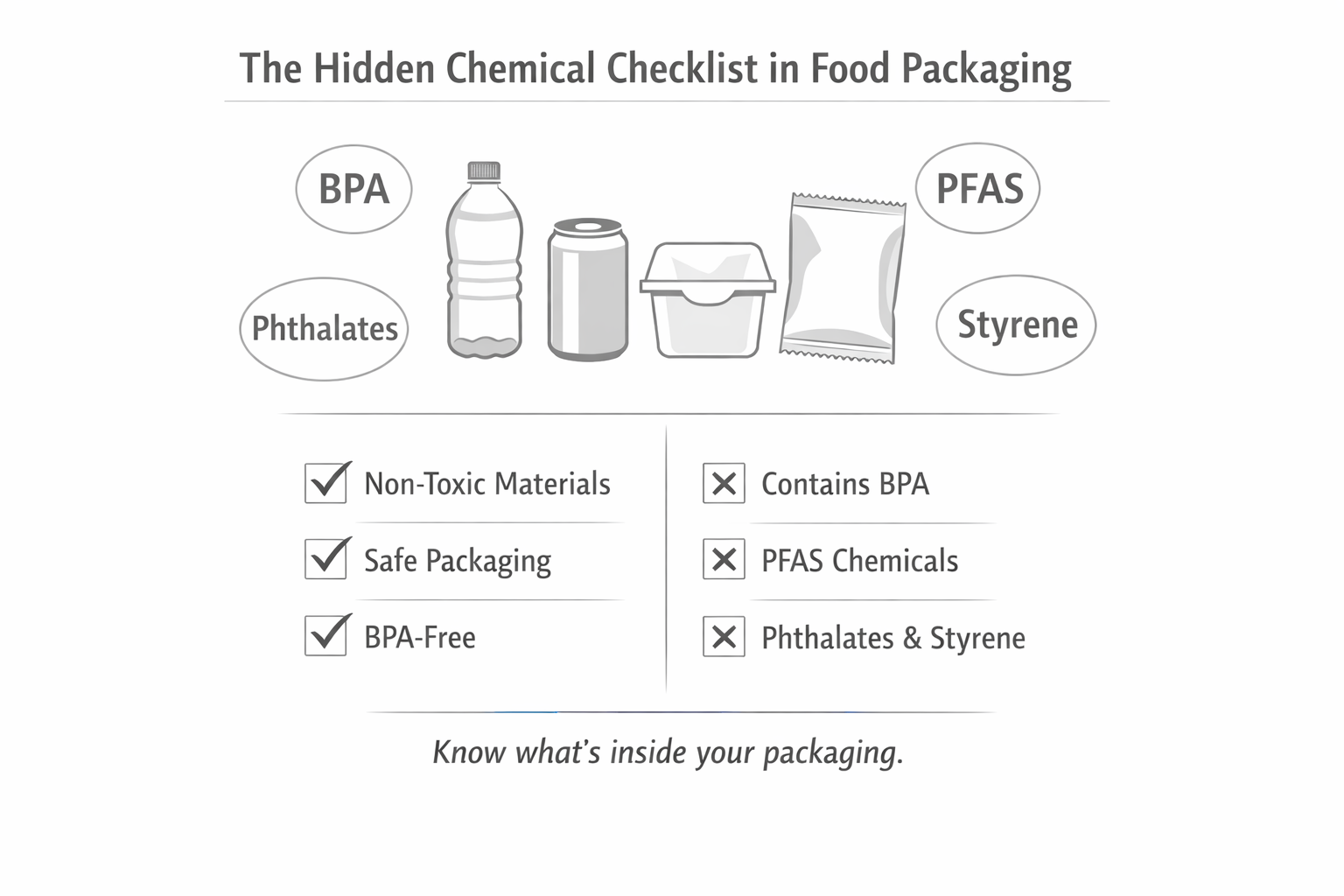
When reading your food labels, watch out for these three common ingredients that cause systemic body inflammation and gut damage:
The Sugar Clones: Food companies hide sugar under more than 60 different names. Look out for words like maltodextrin, dextrose, barley malt, rice syrup, crystalline fructose, and agave nectar.
Refined Seed Oils: Oils like soybean oil, corn oil, canola oil, sunflower oil, and cottonseed oil are processed with high heat and chemical solvents. They are highly unstable and can cause low-grade cell irritation if eaten daily.
Artificial Emulsifiers: Ingredients like polysorbate 80, lecithin, carrageenan, or carboxymethylcellulose are added to keep foods shelf-stable and creamy. However, studies show they can disrupt your delicate gut lining and trigger digestive issues.
Simple Grocery Habits for Preventative Health
Better Kitchen Swaps
Choose Single-Ingredient Foods: The healthiest foods in the supermarket do not even have an ingredient label. Buy whole foods from the edges of the store. Focus on fresh vegetables, eggs, wild fish, whole apples, broccoli, and raw almonds.
Make Your Own Dressings and Sauces: Commercial salad dressings are almost always packed with cheap seed oils, stabilizers, and hidden sugars. Swap them for a simple home mix. Combine extra virgin olive oil, fresh lemon juice, apple cider vinegar, a pinch of sea salt, and black pepper.
Easy Label Rules for Fast Shopping
The Five-Ingredient Limit: Try to implement a simple rule for packaged foods. If a product has more than five individual ingredients on its list, treat it as highly processed. If the list contains long chemical words that you cannot pronounce, put it back on the shelf.
The No-Sugar-Added Test: When buying staples like peanut butter, almond milk, or canned tomatoes, look for labels that show zero grams of added sugar. A jar of peanut butter should only have two ingredients: peanuts and salt.
Step-by-Step Label Audit Protocol
To build a healthy kitchen, run this simple audit over the next weekend: