
When you think about staying healthy, you probably think about washing your hands or staying away from people who are coughing. These are great habits.
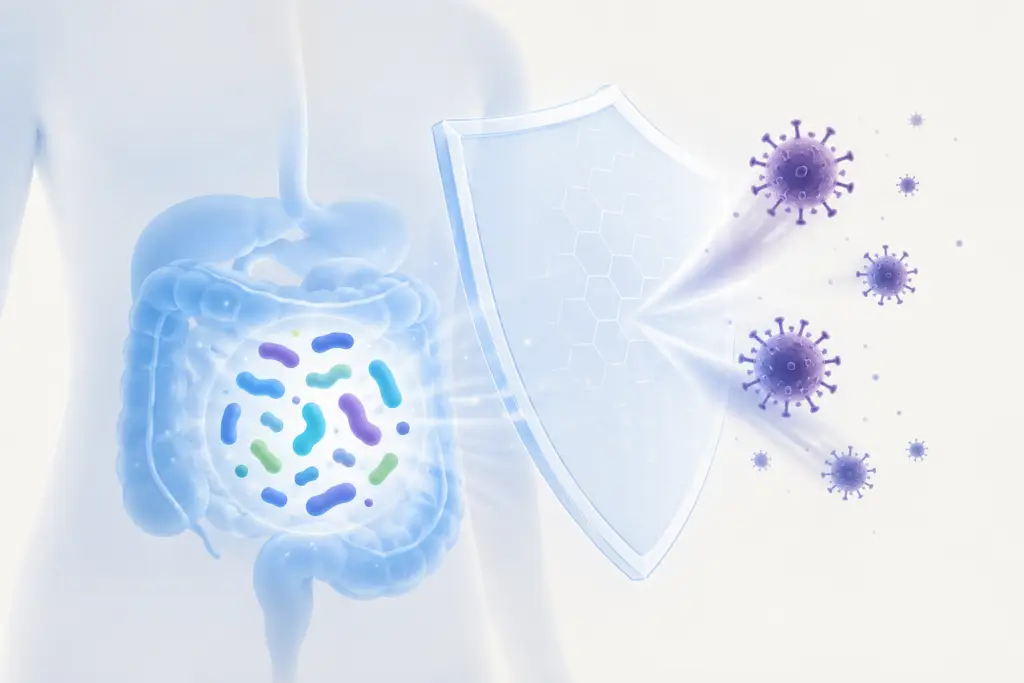
However, your body has an internal defensive system that works day and night to keep you safe. This system lives deep inside your stomach and intestines.
Your gut is home to trillions of tiny, helpful living organisms called bacteria. Together, they form a complex ecosystem known as the gut microbiome. When you keep this ecosystem balanced, you build a powerful shield against common winter colds, stomach bugs, and seasonal outbreaks.
1. The Internal Wall: How Good Bacteria Block Germs
Your intestines are lined with a very thin layer of tissue. This lining acts like a wall that lets nutrients from your food pass into your bloodstream, while keeping harmful toxins out.
Your helpful gut bacteria live directly on top of this thin lining.
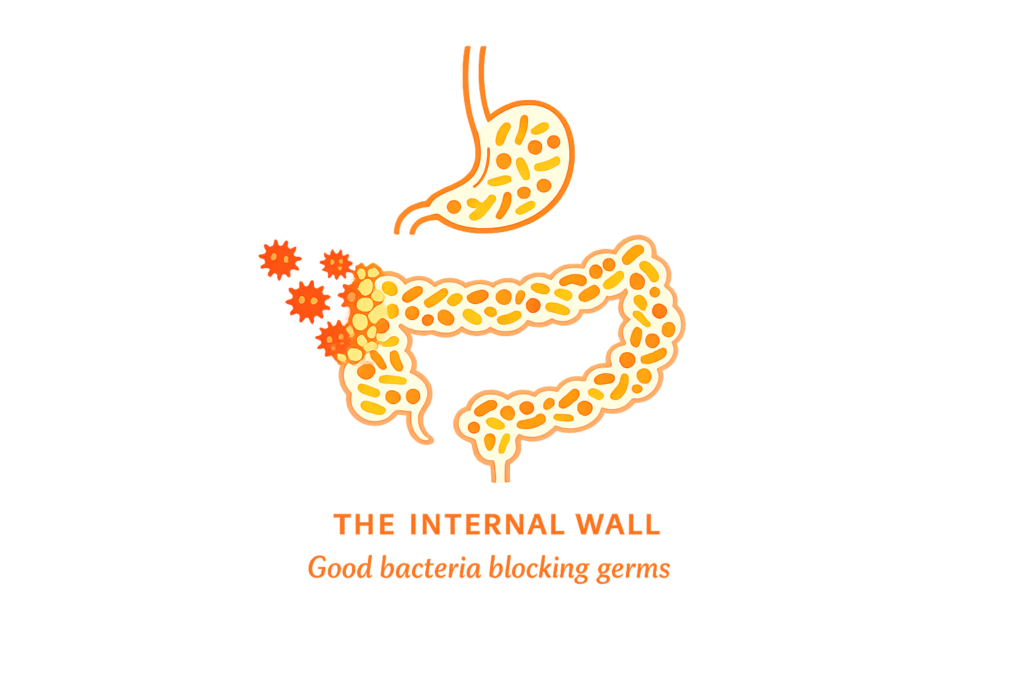
Think of these good bacteria as a friendly crowd occupying a space. When harmful viruses or bad bacteria enter your digestive system through food or water, they try to attach to your gut wall. But if your good bacteria are healthy and numerous, they crowd out the bad microbes. They leave no room for the germs to attach, reproduce, or cause an infection.
2. The Training Ground: How Your Microbiome Teaches Your Immune System
Did you know that roughly 70% of your body’s immune system lives inside your gut? Your white blood cells are constantly moving through your digestive tissues.
The Learning Phase
Your immune cells need to learn the difference between friendly food particles and dangerous viral invaders. Your gut bacteria act like teachers. They send out tiny chemical signals that train your immune cells to stay alert. This training helps your body spot real threats quickly before they can spread.
The Inflammation Switch
When your good gut bacteria are weak, your immune system can become confused or overactive. This confusion causes low-grade irritation across your entire body. A calm, well-fed microbiome keeps your body’s defense response smooth, fast, and balanced.
The Gut Microbe Balance Check
Watch out for these three everyday signs that your gut shield might be out of balance:
Frequent Bloating and Gas: You feel heavy and uncomfortable immediately after eating simple meals, showing that your food is not breaking down properly.
Sudden Sugar Cravings: You experience intense cravings for sugary snacks and processed grains, which often feed the harmful types of bacteria in your gut.
Catching Every Seasonal Bug: You seem to get sick with every single cold or stomach flu that passes through your community or office space.
Simple Solutions to Nourish Your Defensive Bacteria
Easy Food Swaps for Gut Strength
Add Real Fermented Foods Daily: Fermented foods contain millions of live, helpful bacteria that refresh your internal shield. Add a small cup of plain yogurt, traditional kefir, or fermented pickles to your daily meals.
Eat High-Fiber Prebiotic Vegetables: Prebiotic foods act as fuel for your good bacteria. Build your meals around onions, garlic, bananas, oats, and leeks to keep your internal microbes well-fed.
Good Daily Habits for Gut Health
Limit Sugary Drinks: High amounts of sugar can feed the bad microbes in your digestive tract, allowing them to overpower your good bacteria shield. Switch to plain water or warm herbal teas.
Be Careful with Antibiotics: Antibiotic medications are excellent for killing dangerous infections. However, they also clear out your helpful bacteria. Only use them when explicitly prescribed by a doctor, and focus on rebuilding your gut health afterward.
Step-by-Step Gut Reset Protocol
Follow this simple routine to strengthen your microbiome over the next week: