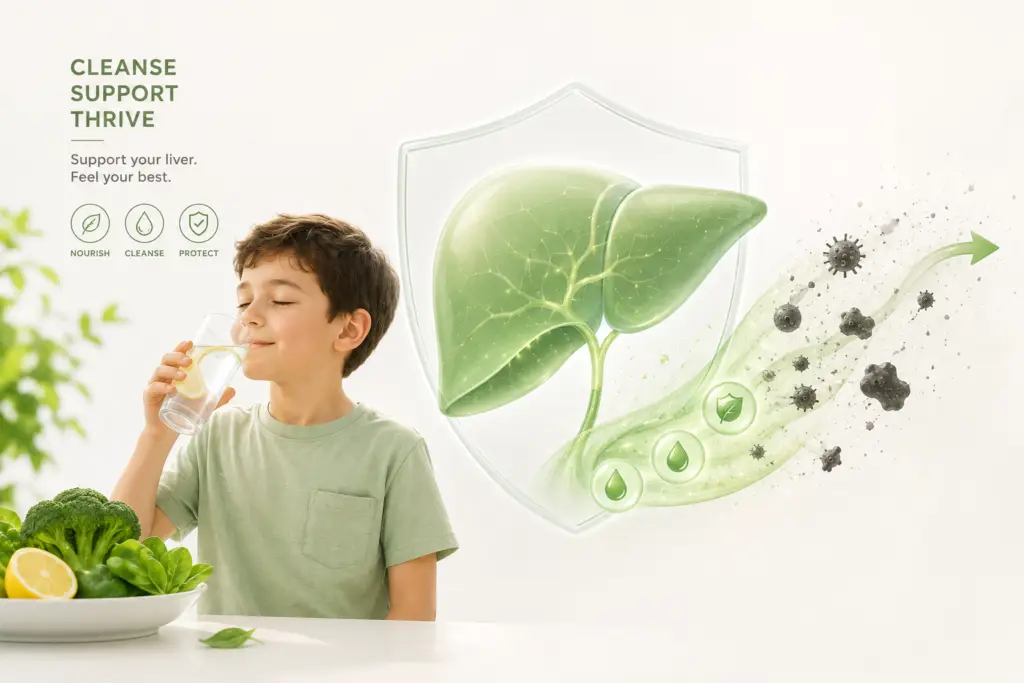
In the modern wellness world, we see many advertisements for expensive detox juices, powder cleanses, and rapid herbal teas. These products promise to clean out your system and refresh your energy overnight.
However, your body does not need a store-bought juice kit to remove toxins. You already own the most advanced filtration factory in the world.
Your liver is a large, hard-working organ that sits on the right side of your stomach. It performs over 500 vital functions every single day. Its primary job is to neutralize toxins, clean your blood, and protect your body from harmful chemicals. Supporting this natural engine is a pillar of proactive health.
1. The Two-Step Cleaning Process: How Your Liver Breaks Down Toxins
Your liver acts like a processing plant that neutralizes chemical compounds, old hormones, and food preservatives. It accomplishes this cleaning task through a highly organized, two-step system.
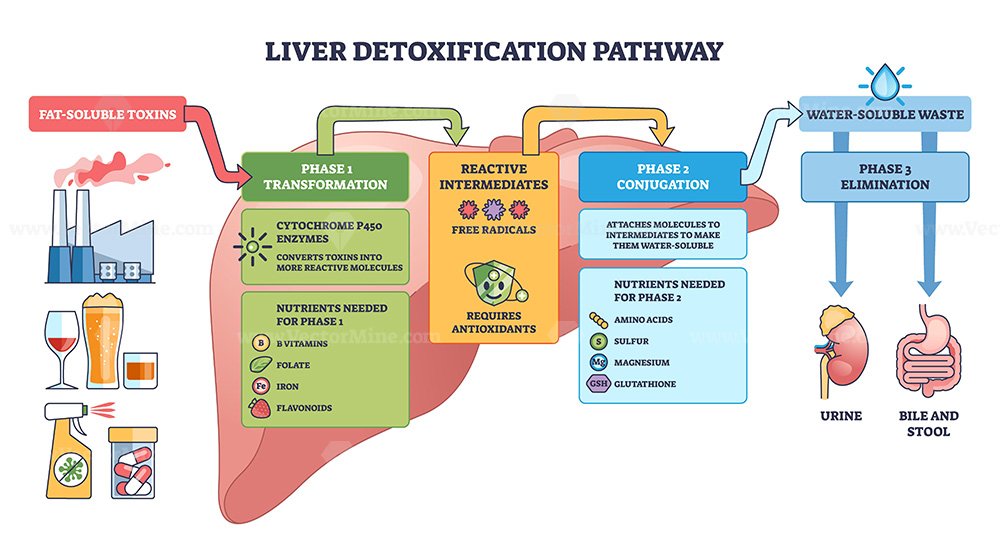
Phase 1: The Breakdown
First, your liver takes fat-soluble toxins and uses specialized enzymes to break them down. This step turns the toxins into intermediate forms. These intermediate forms are often highly reactive and can cause tissue irritation if they sit around too long.
Phase 2: The Neutralization
Second, your liver attaches specific molecules to these reactive compounds. This process makes the toxins water-soluble, meaning they can now safely dissolve in water. Once neutralized, your body can easily flush them out through your bile or kidneys. To run Phase 2 smoothly, your liver requires a steady supply of natural sulfur and amino acids from your food.
2. The Fatty Liver Trap: How Modern Diets Stagnate Your Filter
When your diet contains too many heavily processed foods, refined seed oils, and high-fructose corn syrup, your liver begins to struggle.
The Storage Problem
Your liver converts excess sugar into tiny fat droplets. If the influx of sugar never stops, these fat droplets build up inside your liver cells, creating a condition known as non-alcoholic fatty liver disease.
The Filter Clog
A fatty liver cannot clean your blood efficiently. The internal cells become crowded and inflamed, slowing down your overall metabolic clearing rate. This slowdown can leave you feeling constantly fatigued, sluggish, and vulnerable to environmental sensitivities.
The Overloaded Liver Self-Check
Watch out for these three everyday physical signs that your liver’s filtration system might be working under heavy strain:
Yellowish Skin or Eye Tones: You notice a mild yellow tint in the whites of your eyes or your skin, showing a buildup of a compound called bilirubin.
Skin Itching and Rashes: You experience chronic skin irritation, unexplained rashes, or itchy patches that do not improve with surface lotions.
Heavy Brain Exhaustion: You experience a deep, chemical fatigue and brain fog that makes you feel foggy even when you have slept well.
Easy Foods & Habits to Support Your Liver Factory
Clean Eating Choices for Liver Health
Eat Crunchy Cruciferous Vegetables: Broccoli, Brussels sprouts, cabbage, and kale are rich in a natural sulfur compound called glucosinolate. This compound helps your liver manufacture the enzymes it needs to complete its Phase 2 detox process smoothly.
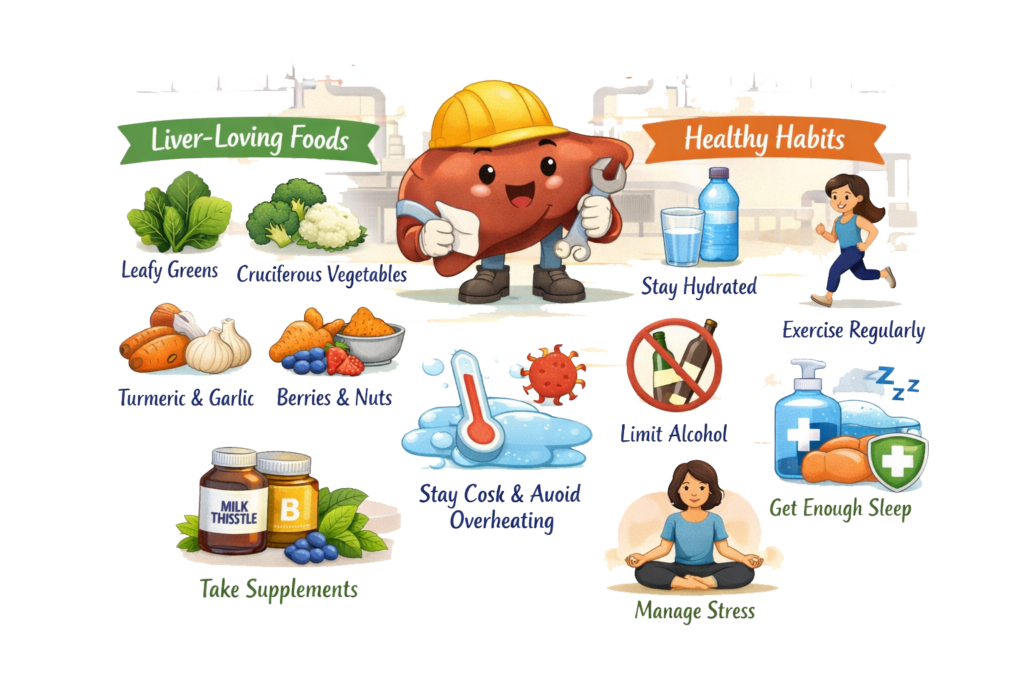
Incorporate Raw Garlic and Onions: Garlic contains allicin and selenium, two powerful nutrients that protect your liver cells from free radical damage and speed up internal healing.
Home Habits for Clean Filtration
Give Your System a 12-Hour Rest: Avoid eating midnight snacks. Try to maintain a simple 12-hour gap between your dinner and your next breakfast. This window allows your liver to focus entirely on cleaning your blood instead of processing incoming food.
Minimize Chemical Exposure: Reduce the amount of synthetic chemicals your liver has to process. Switch to natural household cleaning supplies, use glass food containers instead of cheap plastics, and avoid artificial food dyes.