Clean Hands, Saved Lives: Why Hand Hygiene is Our First Line of Defense
It is the single most effective way to prevent the spread of illness, yet it is often the most overlooked: simple, thorough hand hygiene.
Recent global health events have forced the world to return to the absolute basics of infection prevention. When a viral outbreak or a seasonal flu strains our communities, sophisticated medical interventions take a backseat to a modest, universally accessible shield—properly cleaning our hands.
The Invisible Threat on Our Fingertips
We use our hands to interact with the world, making them primary vectors (carriers) for disease-transmitting pathogens. Every surface we touch—from doorknobs and phone screens to public transit railings—can host thousands of microscopic bacteria and viruses.
A consistent routine of hand sanitation drastically cuts down the risk of cross-transmission (passing germs from one person or object to another). Keeping your hands clean directly lowers your risk of contracting and spreading:
Respiratory Illnesses: Such as the seasonal flu, common colds, and severe viral infections.
Gastrointestinal Infections: Including food poisoning, norovirus, and E. coli, which are easily transferred when handling food with unwashed hands.
Healthcare-Associated Infections (HAIs): Protecting vulnerable patients in clinics and hospitals from dangerous, antibiotic-resistant superbugs.
A Global Movement: The global medical community recognizes this vital baseline every year on May 5th during World Hand Hygiene Day. Spearheaded by the World Health Organization (WHO), the ongoing campaign rallies under a simple but urgent banner: “Save Lives: Clean Your Hands.”
The Science of the Scrub: 6 Steps to Clean Hands
Simply rinsing your hands under water or doing a quick five-second rub with soap leaves a massive amount of bacteria behind. To truly disrupt the outer membrane of viruses and flush away bacteria, the WHO recommends a specific, structured multi-step technique that should take between 40 to 60 seconds when using soap and water.
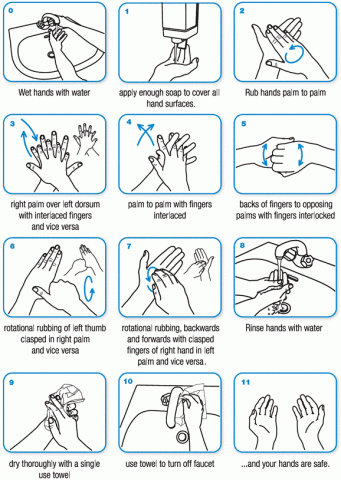
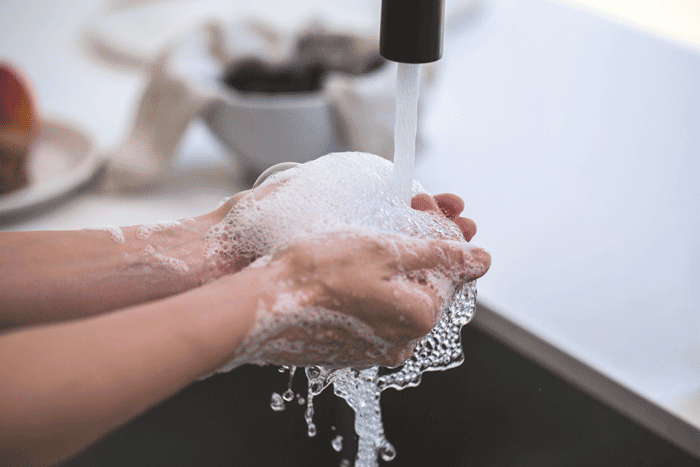
Wet your hands with clean water and apply enough soap to cover all surfaces. Rub your hands palm to palm in a circular motion to build a rich lather.
Place your right palm over the back of your left hand, interlacing your fingers, and rub thoroughly. Switch hands and repeat. Then, bring your hands palm to palm with fingers interlaced to clean the webbing between them.
Interlock your fingers together, pressing the backs of your fingers against the opposing palms in a sideways, rubbing motion to clean the knuckles.
Clasp your left thumb in your right palm and rotate it completely to clean the entire thumb base. Switch hands and repeat for the right thumb.
Clasp the fingers of your right hand together and rotational rub them backward and forward in your left palm. This cleans your fingertips and forces soap under your fingernails. Switch hands and repeat.
Rinse your hands thoroughly under running water. Dry them completely with a single-use paper towel, and use that same towel to turn off the faucet to avoid re-contaminating your clean skin.
When to Clean Your Hands
To build a strong habit, memorize the critical pivot points throughout your day when hand hygiene matters most:
| Before You… | After You… |
• Eat or prepare food • Touch your face, eyes, or mouth • Treat a wound or tend to someone sick | • Use the restroom or change a diaper • Cough, sneeze, or blow your nose • Touch garbage or public surfaces • Interact with animals or pets |
If clean water and soap aren’t immediately available, an alcohol-based hand sanitizer containing at least 60% alcohol is an excellent temporary substitute. Apply enough to cover both sides of your hands and rub them together until they are completely dry—using the exact same rotational steps outlined above.