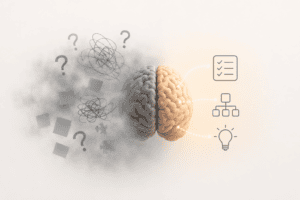

Life can change in an instant. Whether triggered by macroeconomic shifts, sudden career disruptions, or personal crises, unexpected change often brings a profound sense of instability, unease, and anxiety. When our normal routines are upended, the psychological toll can feel entirely overwhelming.
Understanding how stress impacts the mind and body—and recognizing that everyone processes pressure differently—is the first step toward regaining control.
The Varied Faces of Acute Stress
Stress is not a one-size-fits-all experience. How an individual reacts to sudden life disruptions depends heavily on their socioeconomic background, financial stability, and baseline emotional resilience. A crisis that feels like a minor hurdle to someone with a deep financial safety net can feel catastrophic to an individual living paycheck to paycheck.
According to data from the American Psychological Association (APA), prolonged periods of high stress frequently manifest in several distinct ways:
Hyper-Vigilance & Health Anxiety: Constant worrying about personal well-being and the safety of loved ones.
Systemic Disruption: Sleep fragmentation (insomnia or oversleeping) and abrupt changes in appetite, which directly weaken the immune system.
Emotional Exhaustion: Severe mood fluctuations, irritability, or a sense of hopelessness brought on by prolonged confinement or isolation.
Unhealthy Coping Mechanisms: A statistically significant spike in the consumption of alcohol, nicotine, or processed foods as temporary, chemically driven stress relievers.
Tracking the Impact: Mind vs. Body
When stress goes unmanaged, it shifts from a psychological burden to a physical one. Chronic cortisol (the stress hormone) production alters basic bodily functions:
| Area Affected | Stress Manifestation | Long-Term Risk |
| Cognitive | Brain fog, racing thoughts, indecisiveness | Accelerated burnout, chronic anxiety |
| Physical | Elevated heart rate, shallow breathing, muscle tension | Tension headaches, high blood pressure |
| Behavioral | Social withdrawal, neglect of responsibilities | Deepened feelings of isolation and alienation |
The Blueprint for Resilience: Returning to the Basics
When the world outside feels chaotic, the most effective response is to shrink your focus to what you can control. Regulating your immediate environment and daily habits acts as an anchor for a dysregulated nervous system.
1. Protect Your Physiology
Prioritize Restorative Sleep: Aim for 7 to 9 hours of quality sleep. Sleep is when the brain flushes out metabolic waste and processes emotional trauma.
Fuel with Intention: Shift away from highly processed comfort foods, which cause blood sugar crashes that mimic panic attacks. Focus on whole, home-cooked meals rich in micronutrients to support gut health (where 90% of the body’s serotonin is produced).
2. Disconnect to Reconnect
Intentionally Unwind: Step away from constant news cycles and digital screens. Use this time to ground yourself through meditation, deep-breathing exercises, or personal reflection.
Lean into Community: Isolation feeds anxiety. Actively reach out to friends, family, or neighbors. Even a brief phone call or text can stimulate oxytocin production, lowering stress levels.
3. Channel Energy Constructively
Upskill and Create: Redirect nervous energy into a creative project or an online certification. Learning a new skill provides a sense of agency, forward momentum, and mastery when external circumstances feel out of control.
Practice Altruism: Helping others in need—whether through formal volunteering or checking in on a vulnerable neighbor—shifts your focus away from your own anxieties and builds a powerful sense of purpose.
Photo courtesy by Valeria Ushakova from Pexels