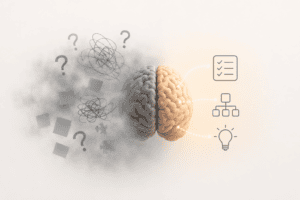

Many neurodivergent adults navigate the modern world by relying on a heavy cognitive mechanism known as social masking or camouflaging. This involves consciously observing social cues, scripting conversations in advance, forcing eye contact, and actively suppressing natural sensory soothing behaviors (such as stimming) to match neurotypical expectations.
While masking can provide short-term social or occupational protection, sustaining it indefinitely comes at a severe metabolic and emotional cost.
When the intense internal effort required to maintain this alternate persona completely exhausts your system, it triggers a unique, debilitating state known as neurodivergent burnout. Recognizing the warning signs is vital to stopping a complete nervous system collapse.
1. The Anatomy of Neurodivergent Burnout
Standard occupational burnout is typically caused by workplace overload and resolves with a few weeks of deliberate rest or vacation time. Neurodivergent burnout, however, is a profound, pervasive systemic shutdown across all areas of functioning.
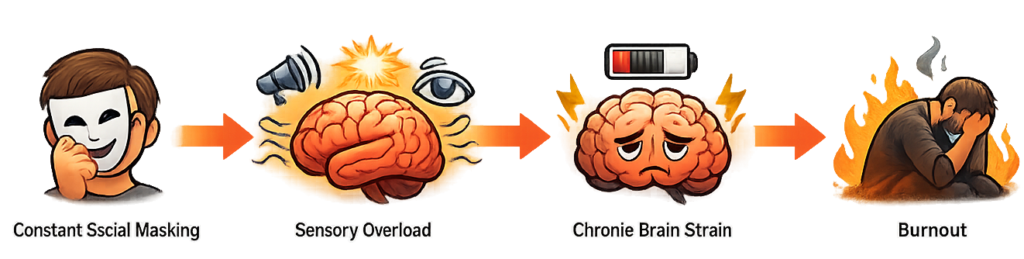
When you mask your true cognitive profile for decades to fit into a society not designed for your nervous system, your brain is forced to perform complex mental equations during every casual interaction.
Eventually, the energy required to maintain the mask exceeds your system’s baseline battery. This leads to an abrupt loss of executive function, intense emotional volatility, and a massive drop in your threshold for handling everyday sensory information.
The Neurodivergent Burnout Self-Screening Check
Review these three core markers of neurodivergent system fatigue to help evaluate whether your current exhaustion is standard tiredness or structural burnout.
Dietary Modifications & Home Remedies for Nervous System Recovery
Recovering from neurodivergent burnout requires direct metabolic support to calm an over-stimulated, inflamed nervous system.
Dietary Upgrades for Neurochemical Support
The Dopamine-Amino Acid Pipeline: Ensure adequate consumption of high-quality proteins containing tyrosine (such as eggs, turkey, lean beef, and pumpkin seeds). Tyrosine is the direct nutritional precursor your brain uses to synthesize dopamine, helping restore the depleted neurotransmitter pathways heavily taxed by chronic masking.
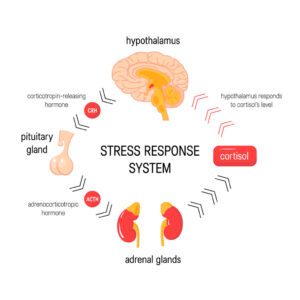
Protect Your Gut-Brain Connection: Chronic stress and neurological burnout directly alter your gut microbiome, triggering low-grade physical inflammation. Eliminate highly processed foods and load your diet with anti-inflammatory fats like Omega-3 fatty acids (found in wild-caught fish, walnuts, and chia seeds) to help support neural pathway repair.
Grounding Home Remedies
The “Sensory Blackout” Protocol: Dedicate 20 minutes every afternoon to a low-stimulation reset. Sit or lie down in a completely dark room while wearing high-quality noise-canceling headphones or earplugs. Actively removing all incoming visual and auditory data gives your over-stimulated prefrontal cortex a rare chance to enter a zero-effort baseline state.
Proprioceptive Deep Pressure Therapy: Utilize a weighted blanket (roughly 10% of your body weight) across your torso and legs during rest windows. The deep touch pressure stimulates your body’s proprioceptive system, signaling your vagus nerve to slow down your heart rate and shift your autonomic nervous system from an anxious fight-or-flight state into safe, restorative parasympathetic mode.