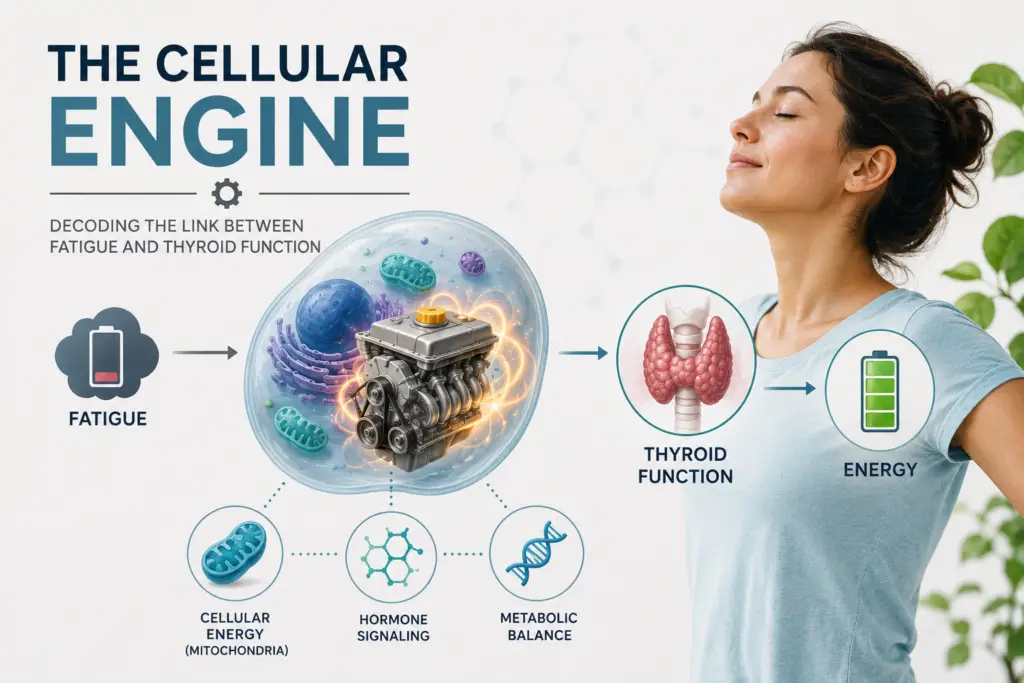
Think of your thyroid as the master thermostat for your body’s cells. It takes iodine from your diet and converts it into primary thyroid hormones, mainly T4 (Thyroxine) and T3 (Triiodothyronine).
T3 is the active form of the hormone that acts like a key to unlock your cells’ power plants, known as the mitochondria.
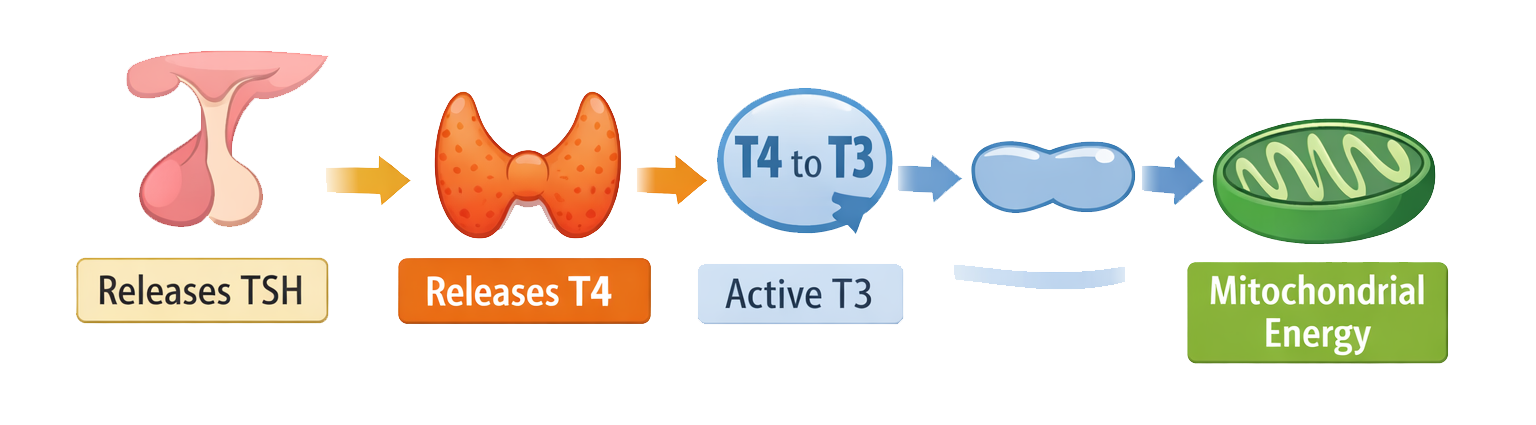
When active T3 enters your cells, it signals the mitochondria to burn glucose and fat for fuel. This process creates ATP, the universal energy currency of the human body.
If your thyroid does not produce enough hormones, or if your body struggles to convert T4 into active T3, your cellular engines stall. Your body cannot burn fuel efficiently, leaving you feeling profoundly tired, cold, and sluggish.
2. Navigating the Lab: Why Standard TSH Testing is Not Enough
When you visit a clinic to check your energy levels, doctors almost always run a basic blood test called TSH (Thyroid Stimulating Hormone). While this test is a useful starting point, relying on it alone can cause many thyroid conditions to be completely missed.
The Pituitary Messenger
TSH is actually not a thyroid hormone at all. It is a messenger hormone sent from your brain’s pituitary gland to tell your thyroid to get to work. If your brain senses that thyroid hormone levels are low, it pumps out more TSH. Therefore, a high TSH level usually means your thyroid is underperforming, a condition known as hypothyroidism.
The Full Thyroid Panel
Your TSH score can easily look completely normal even if your cells are starving for energy. To get a true picture, you must request a full thyroid panel. This panel should include Free T4, Free T3, and Thyroid Antibodies (TPOAb and TgAb). Checking antibodies is crucial because it shows if your own immune system is actively attacking your thyroid gland, which is the most common cause of thyroid damage.
The Underactive Thyroid Self-Check
Watch out for these three common physical signs that your cellular engine is running low on thyroid hormones:
Unexplained Cold Intolerance: You feel freezing cold when everyone else in the room is perfectly comfortable, or you rely on sweaters even during warm weather.
Outer Eyebrow Thinning: You notice the outer third section of your eyebrows is thinning out or disappearing completely, which is a classic physical sign of low T4.
Stubborn Fluid Weight Gain: You gain weight or experience puffiness in your face and ankles despite maintaining a strict, clean diet and working out regularly.
Easy Dietary Swaps & Home Remedies for Thyroid Support
Target Nutrition for Hormone Production
Ensure Adequate Selenium and Zinc: Your body requires the minerals selenium and zinc to convert inactive T4 into the active T3 hormone your cells need for energy. Eat two Brazil nuts daily to hit your selenium goal, and incorporate pumpkin seeds and grass-fed beef into your weekly meal planning.
Eat Tyrosine-Rich Proteins: Your thyroid gland uses the amino acid tyrosine as the literal building block to construct thyroid hormones. Build your diet around eggs, wild-caught fish, turkey, and avocados to supply this raw material naturally.
Home Remedies for Hormone Balance
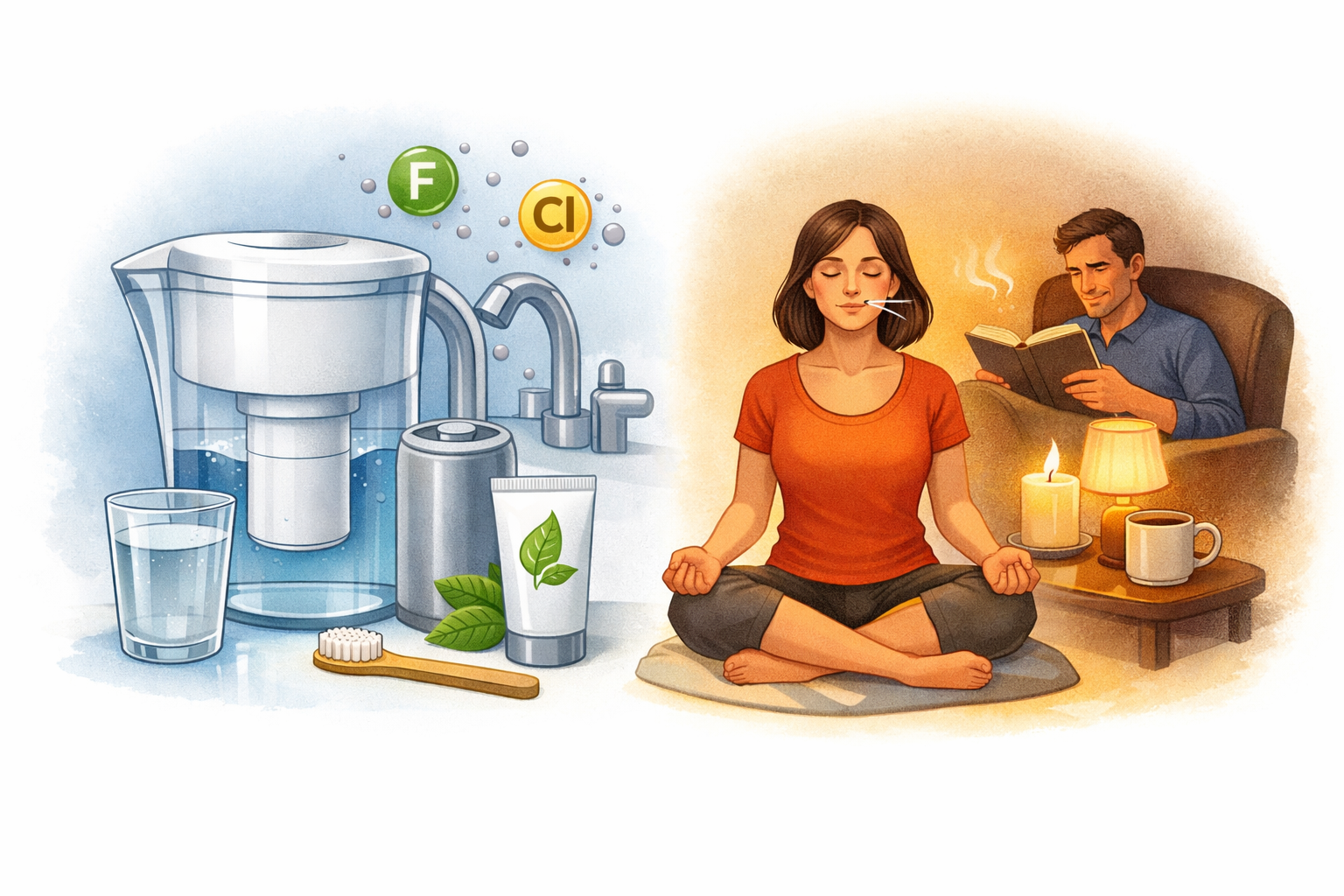
Filter Out Fluoride and Chlorine: High levels of fluoride in your tap water or toothpaste can block iodine receptors in your thyroid gland, stopping hormone production. Switch to a high-quality water filter and use fluoride-free toothpaste to protect your gland’s nutrient uptake.
Manage Cortisol to Protect T3: High stress spikes your cortisol hormone, which actively blocks your body from converting T4 into active T3. Dedicate 10 minutes every evening to gentle breathing or reading to signal your nervous system to rest.
The Waking Basal Temperature Protocol
You can track your thyroid function at home by measuring your body’s baseline heat generation: