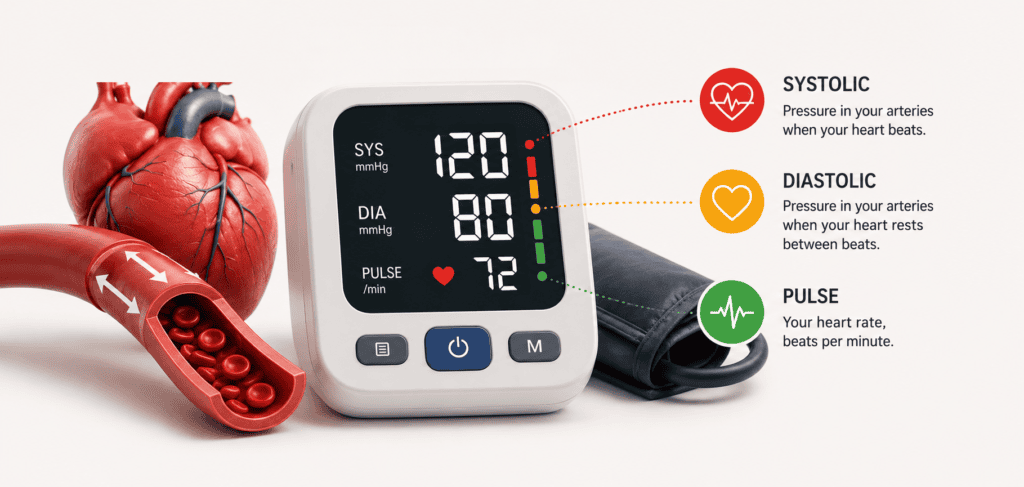
Whenever you visit a clinic or have a routine check-up, the first thing the nurse does is wrap a fabric cuff around your arm. They inflate it, look at a digital screen or a ticking dial, and write down two numbers, like 120 over 80.
Most of us just nod, say thank you, and leave without really understanding what those numbers mean for our daily life.
But blood pressure (or “BP”) is not just a routine chore. It is the single most important gauge of how hard your heart is working to keep your body running.
1. The Water Pipe Analogy: How Blood Pressure Works
To understand BP, forget about complex biology. Instead, picture the water pipes running behind the walls of your home.
The Pump and the Pipes
Your heart is like a water pump, and your blood vessels are the pipes. For water to reach your bathroom or kitchen, the pump has to push it with a certain amount of force. If the pressure is too low, the water will barely trickle out. If the pressure is too high, the pipes will weaken, leak, or eventually burst.
The Two Numbers
When your doctor says your BP is 120/80, they are measuring two different phases of this pumping action:
The Top Number (120): This is called systolic pressure. It measures the pressure in your pipes at the exact second your heart squeezes to pump blood out.
The Bottom Number (80): This is called diastolic pressure. It measures the pressure in your pipes when your heart rests between beats to fill up with blood again.
2. The Silent Threat: Why High BP Matters
High blood pressure is often called a “silent killer” because it does not usually cause obvious symptoms in its early stages. You can walk around with high BP for years while feeling completely fine.
Damaging the Pipe Walls
If the pressure stays constantly high, the inner walls of your delicate blood vessels start getting scarred and rigid. Think of it like grit wearing down the inside of a metal pipe.
Extra Load on the Pump
Because the blood vessels are stiff and narrow, your heart has to pump twice as hard to push blood through. Over time, this constant extra workload tires out your heart muscle, which can lead to serious heart problems or sudden strokes.
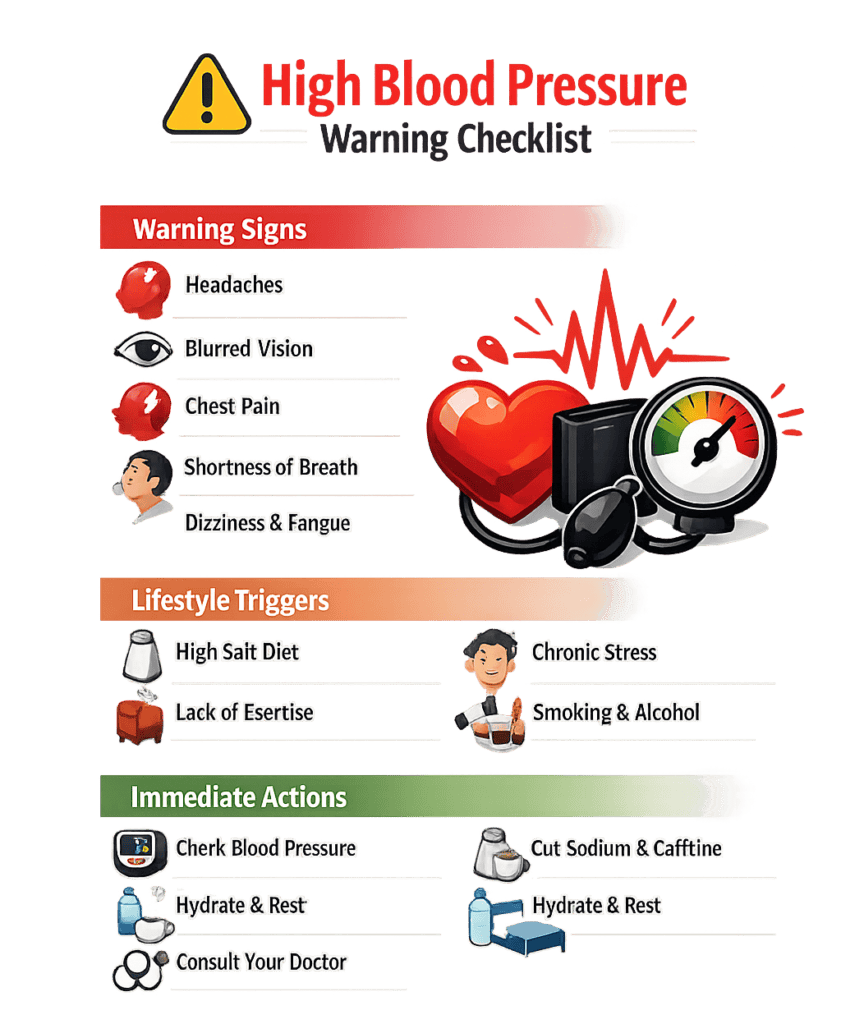
The High Blood Pressure Warning Checklist
Even though high BP is mostly silent, watch out for these three subtle physical signs that your internal plumbing is under too much strain:
Frequent Morning Headaches: You wake up with a dull, heavy ache in the back of your head or neck that slowly fades away after an hour of moving around.
Unexplained Nosebleeds: You experience sudden, unexpected nosebleeds even when the indoor air is not excessively dry.
Hearing Your Pulse: When you lie down on your pillow in a quiet room, you can hear a thumping or whooshing sound matching your heartbeat in your ears.
Simple Food Changes & Habits to Protect Your Vessels
Easy Kitchen Swaps
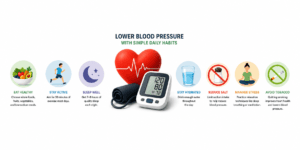
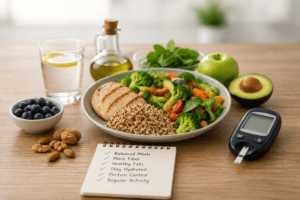
Watch the Hidden Salt in Canned Foods: Processed foods like canned soups, ready meals, and condiments are loaded with massive amounts of sodium to preserve them. Try to choose “low-sodium” versions of these pantry staples.
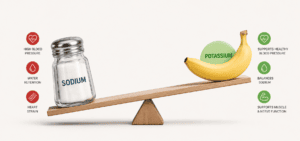
Eat One Banana a Day: Bananas are packed with potassium. Potassium works as the natural opponent to sodium—it helps your kidneys flush out extra salt through your urine, which naturally lowers your BP.
Simple Home Habits
Avoid Smoking and Vaping: Nicotine instantly squeezes your blood vessels, forcing your blood pressure to spike immediately. Avoiding these habits is the single fastest way to protect your arteries.
Check Your BP at the Pharmacy: Do not wait for your annual check-up to get a reading. Use the free digital BP machines at your local pharmacy or grocery store to keep track of your numbers.