
It seems like a paradox. You sat in a comfortable, padded chair for eight hours. You didn’t do any heavy lifting, run a marathon, or do hard physical labor.
Yet, when you log off at 5:00 PM, you feel completely wiped out—too tired to cook a healthy meal, exercise, or enjoy your evening.
This is called sedentary fatigue. Sitting still for hours at a time does not conserve your energy; it actually drains your body’s power grid.
1. The Stagnant Highway: Why Lack of Movement Drains Energy
To understand why sitting drains your battery, you have to look at how your blood carries energy through your body.
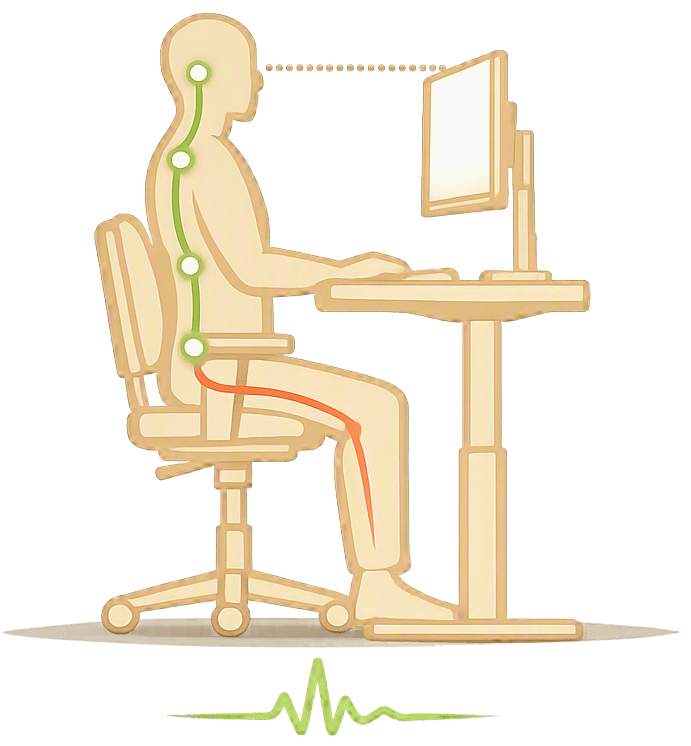
The Calf Muscle Pump
When you walk or move around, the muscles in your legs contract and relax. Your calf muscles act like a secondary heart, squeezing blood back up through your veins toward your chest. This keeps fresh oxygen and nutrients circulating smoothly to your brain and organs.
The Pool Effect
When you sit completely still for hours, that leg muscle pump shuts off. Blood pooling occurs in your lower legs and feet, your heart rate slows down, and circulation decelerates. With less oxygen reaching your brain, your mind begins to feel sluggish, heavy, and tired.
2. The Sugar Slowdown: How Sitting Stalls Your Metabolism
When your body stays motionless, your cellular machinery shifts down into low gear.
Shutting Down the Engines
Within an hour of continuous sitting, the enzymes in your body that break down fats and clear sugars from your blood drop drastically.
The Midday Sugar Crash
If you eat a lunch containing carbs while sitting still all afternoon, that glucose lingers in your bloodstream instead of being absorbed by your muscles. This causes a rapid spike in blood sugar, followed by a severe afternoon energy crash that leaves you reaching for sugary snacks or another cup of coffee just to stay awake.
📋 The Sedentary Fatigue Self-Checklist
Watch out for these three subtle physical indicators that sitting still is stealing your energy:
The 2:00 PM Heavy Fog: You experience a massive drop in energy right after lunch that makes your eyelids feel heavy, regardless of how much sleep you got the night before.
Cold Feet and Legs: Your feet, toes, or lower legs feel constantly cold or numb while sitting at your desk, even if the room temperature is comfortable.
Restless Legs at Night: When you finally lie down in bed, your legs feel twitchy or uncomfortable, compelling you to move them around.
🥗 Simple Ways to Boost Energy at Your Desk
Easy Food & Fluid Hacks
Sip Green Tea Instead of Afternoon Coffee: Switch out your late-afternoon cup of coffee for green tea. Green tea contains L-theanine, an amino acid that provides a calm, steady increase in focus without triggering an anxious heart rate or a harsh energy crash.
Avoid Carbohydrate-Heavy Lunches: Save heavy pasta, sandwiches, or rice dishes for times when you are physically active. For desk lunches, focus on lean protein, healthy fats, and fresh vegetables to keep your blood sugar steady.
Simple Movement Habits
Take “Movement Snacks” Every Hour: Set a quiet chime on your phone or computer. Every hour, stand up for just 60 seconds. Do 10 bodyweight squats, stretch your arms overhead, or pace around your room.
Try Standing During Phone Calls: Make it a rule to stand up whenever you are on a phone call or listening to a meeting where you don’t need to type.
Take a Short Post-Lunch Stroll: Spend just 5 to 10 minutes walking after eating lunch. Moving your legs forces your muscles to clear sugar out of your blood, keeping your afternoon energy completely stable.