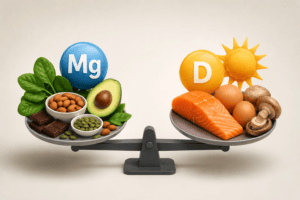

Our diet plays a foundational role in building, maintaining, and priming our bodily defense mechanisms. Every day, the immune system stands as a complex, hyper-vigilant shield protecting us against disease-producing microorganisms like viruses, bacteria, and toxins.
Transitioning to healthy eating patterns and mindful lifestyle habits is a mandatory step in reinforcing this biological shield. Doing so drastically enhances your body’s ability to resist common seasonal infections—such as the cold and flu—while protecting against long-term chronic inflammatory diseases. Nature has provided an abundance of whole fruits, vegetables, seeds, and spices packed with the precise vitamins, minerals, and antioxidants required to unlock optimal health.
1. The Vitamin C Command: Citrus & Peppers
When it comes to fighting off respiratory infections, Vitamin C is the ultimate cellular catalyst. It is a potent antioxidant that neutralizes destructive free radicals, drastically lowers system-wide inflammation, and actively increases the production of white blood cells (lymphocytes and phagocytes), which serve as your body’s primary frontline soldiers against infection.
Citrus Fruits: Oranges, grapefruits, tangerines, lemons, and limes are premier, readily accessible reservoirs of Vitamin C. Beyond direct immune defense, consistent intake has been clinically shown to assist in regulating blood pressure and reducing blood uric acid levels.
Red Bell Peppers: A common nutritional misconception is that citrus fruits are the highest source of Vitamin C. Gram for gram, red bell peppers contain nearly triple the Vitamin C of a standard orange. They are also heavily enriched with Vitamin E, Vitamin K1, potassium, and beta-carotene.
2. The Heavy Hitters: Broccoli & Spinach
Cruciferous and leafy green vegetables act as biological regulators, keeping the immune response balanced and preventing chronic cellular damage.
Broccoli: Supercharged with an array of Vitamins A, C, and E, broccoli is also rich in sulforaphane—a powerful sulfur-based compound. Research indicates sulforaphane reduces systemic inflammation and activates protective enzymes that lower the risk of several cancers, including breast, prostate, and bladder malignancies.
Spinach: Packed with Vitamin C, iron, and a high concentration of beta-carotene. Beta-carotene converts into Vitamin A within the body, which is vital for maintaining the structural integrity of mucous membranes in your respiratory and digestive tracts.
The Bioavailability Trick: Both broccoli and spinach are healthiest when cooked as little as possible. However, giving spinach a very light steam or quick sauté is actually beneficial: heat breaks down oxalic acid (an antinutrient that blocks mineral absorption), unlocking locked-away Vitamin A and iron for your body to easily absorb.
3. Ancient Medicine, Modern Science: Garlic, Ginger & Turmeric
For centuries, ancient civilizations utilized specific roots and bulbs to treat basic ailments. Modern clinical trials now validate the biochemical properties behind these pantry staples.
Garlic & Ginger
Garlic: Garlic’s potent immune-boosting and antimicrobial properties stem from a heavy concentration of sulfur-containing compounds, specifically allicin. When garlic is crushed or chewed, allicin is activated, assisting the body in fighting off viral pathogens and supporting long-term cardiovascular health.
Ginger: Renowned for its exceptional anti-inflammatory properties, ginger helps soothe acute sore throats and reduce systemic joint pain. It contains gingerols, bioactive compounds that have also been proven to effectively mitigate nausea and gastrointestinal distress.
Turmeric
This bright yellow spice is a foundational pillar of anti-inflammatory nutrition. Its therapeutic values are driven by curcumin, a compound that clinical studies show can significantly decrease exercise-induced muscle damage and soothe the pain associated with rheumatoid arthritis and osteoarthritis. Emerging animal models also point to curcumin as a promising natural antiviral and immune modulator.
4. Micronutrient Powerhouses: Seeds and Tropical Fruits
| Food Item | Key Active Micronutrients | Primary Immune Function |
| Sunflower Seeds | Vitamin E, Selenium, Magnesium | Vitamin E is a fat-soluble antioxidant that regulates and maintains T-cell function. Just 1 ounce of these seeds provides nearly 50% of your daily recommended intake of Selenium, a critical trace mineral that prevents cellular damage. |
| Papaya & Kiwi | Vitamin C, Folate, Potassium, Papain | Both fruits are loaded with daily required vitamins. Papayas contain a specialized digestive enzyme called papain, which exhibits documented systemic anti-inflammatory effects. |
Designing a Multi-System Defense Strategy
To translate this nutritional science into a functional, everyday routine, focus on a step-by-step introduction of these whole foods into your daily meals.
1.Kickstart with Citrus and Roots:Morning Baseline.
Begin your morning by squeezing fresh lemon or lime into warm water, or steeping a simple tea with shaved ginger and a pinch of turmeric to reduce systemic inflammation before your workday begins.
2.Incorporate Minimal-Cook Greens:Lunch & Dinner.
Ensure at least one major meal contains lightly steamed broccoli, a fresh red bell pepper slices, or a quick spinach sauté to secure your daily water-soluble Vitamin C and bioavailable Vitamin A.
3.Introduce Fat-Soluble Protection:Daily Snack.
Add an ounce of sunflower seeds or a fresh kiwi to your afternoon routine. The healthy fats in your diet will help maximize the absorption of fat-soluble antioxidants like Vitamin E.