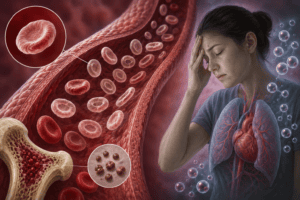
When chronic exhaustion settles in, our modern lifestyle pushes us to reach for temporary fixes: a second morning espresso, energy drinks, or synthetic stimulants. However, if your underlying cellular machinery is running low on essential micronutrients, no amount of caffeine will restore your baseline vitality.
Two of the most widespread, overlooked structural deficiencies driving modern fatigue are Magnesium and Vitamin D3. Because they govern hundreds of biochemical pathways, a shortage in either can cause your energy levels to plummet.
[ Vitamin D Deficiency ] ──> Poor Mitochondrial Efficiency ──┐
                                                               ├──> Chronic Cellular Fatigue
[ Magnesium Deficiency ] ──> Impaired ATP (Energy) Activation ─┘
The Energy Catalyst: How Magnesium Ignites Your Cells
Every single cell in your body relies on a microscopic biological currency called ATP (Adenosine Triphosphate) to create physical and mental energy. What many don’t realize is that ATP cannot function on its own; it must bind to a magnesium ion to become biologically active (Mg-ATP).
Without sufficient magnesium, your mitochondria can manufacture energy, but your body cannot actually unlock or utilize it. This results in muscle weakness, chronic low-grade fatigue, and nighttime cramps.
The Nuclear Regulator: Vitamin D3 and Mitochondrial Health
Vitamin D behaves more like a powerful hormone than a simple vitamin. Inside your cells, Vitamin D receptors actively regulate the expression of genes responsible for mitochondrial health—the power plants of your cells.
Clinical research demonstrates that correcting a profound Vitamin D deficiency directly improves mitochondrial oxidative phosphorylation efficiency in skeletal muscle. In plain terms: getting your Vitamin D levels into an optimal range helps your cells extract more energy from the oxygen you breathe and the food you eat.
How to Correct the Deficiencies Safely
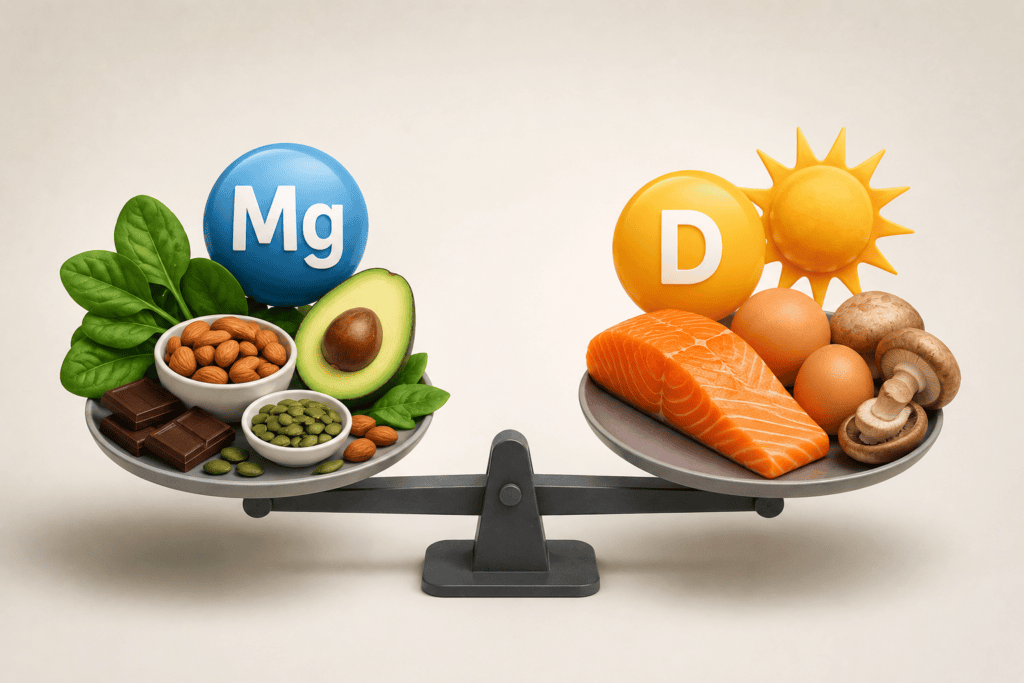
Prioritize Bioavailable Whole Foods: Boost your magnesium intake by consuming dark leafy greens (spinach, Swiss chard), pumpkin seeds, almonds, and high-quality dark chocolate. Optimize Vitamin D by incorporating fatty fish (wild-caught salmon, mackerel), beef liver, and egg yolks into your meal planning.
Test, Don’t Guess: Before taking mega-dose supplements, request a comprehensive blood panel from your practitioner. Ask specifically for a Magnesium RBC test (which measures the magnesium inside your red blood cells rather than just the serum) and a 25-hydroxyvitamin D test to establish your exact biological baseline.