
You got a full eight hours of sleep last night, but you still wake up feeling like you barely slept four. Your throat feels dry and scratchy, your head feels heavy, and you need a cup of coffee just to feel human.
Most people assume poor sleep quality comes down to stress, caffeine, or bad mattresses.
However, one of the biggest factors determining how rested you feel in the morning is something you do completely on autopilot: how you breathe while you sleep.
1. The Filter and the Gas: Why Your Nose Is Made for Breathing
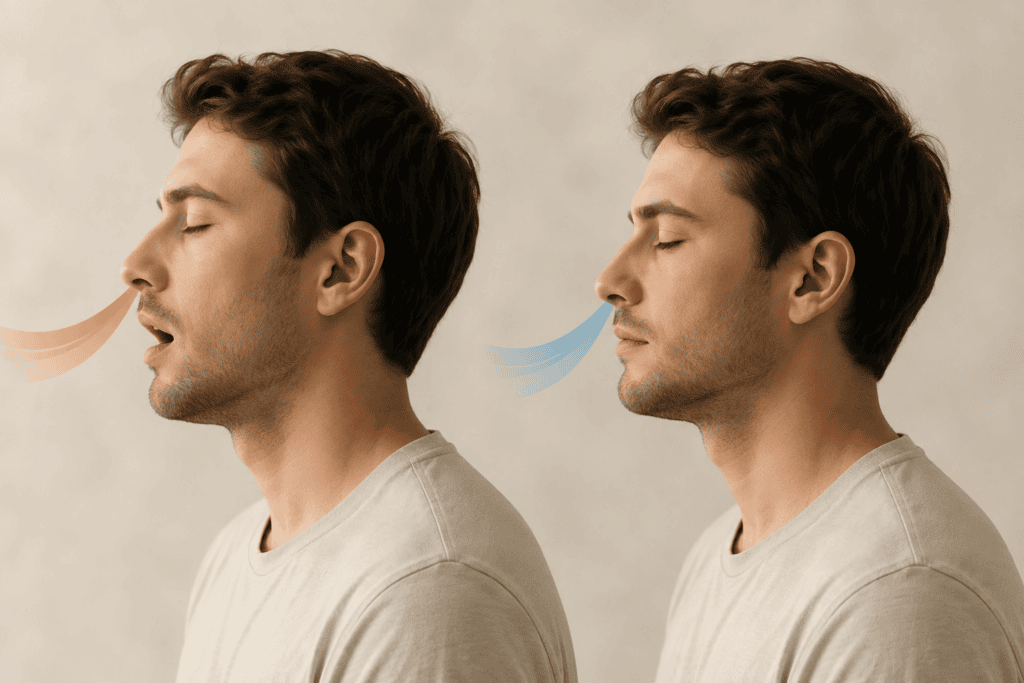
Your mouth is meant for eating and speaking, but your nose is custom-built for breathing.
The Built-in Conditioning System
Your nasal passages act as a natural filtration and climate-control system. When you inhale through your nose, tiny hairs and mucus membranes filter out dust and allergens while warming and humidifying the air before it reaches your lungs. Mouth breathing bypasses this system completely, exposing your throat to cold, dry air all night long.
The Nitric Oxide Advantage
Breathing through your nose releases a unique gas called nitric oxide. Nitric oxide relaxes and expands your blood vessels, allowing your lungs to absorb up to 18% more oxygen with every breath. This extra oxygen allows your heart to work less while delivering vital nutrients to your brain and muscles while you sleep.
2. The Nighttime Stress Trigger: How Mouth Breathing Wrecks Recovery
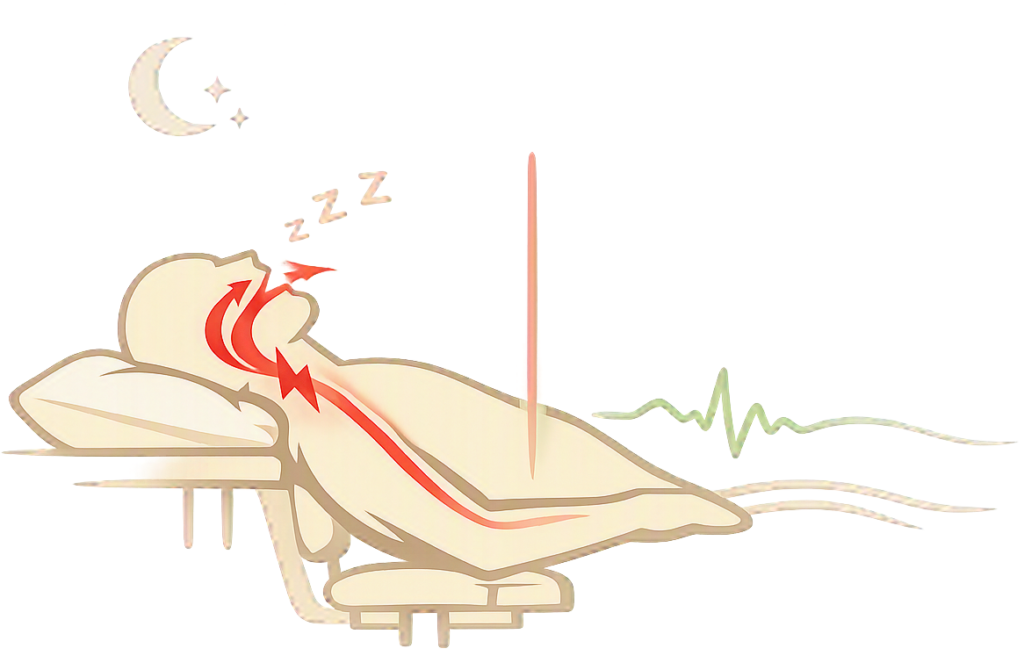
When you sleep with your mouth open, your brain registers the dry, rapid airflow as a sign of physical distress.
Shallow Breathing and Light Sleep
Mouth breathing encourages shallow breathing from your upper chest rather than deep, belly-driven breaths. This keeps your autonomic nervous system in a mild “fight or flight” state throughout the night, preventing your brain from sinking into deep, slow-wave sleep—the exact stage where your body repairs tissues and cleanses brain waste.
Morning Fatigue and Dryness
Mouth breathing dries out your saliva, which naturally protects your teeth and gums overnight. It also leads to heavy snoring and frequent micro-awakenings that disrupt your sleep architecture, leaving you exhausted even if you stayed in bed for eight hours.
The Mouth Breathing Self-Checklist
Watch out for these three subtle signs that you are breathing through your mouth during the night:
Waking Up with a Parched Mouth: You keep a glass of water on your nightstand because you wake up with a completely dry throat and tongue every single morning.
Morning Bad Breath: Despite brushing thoroughly before bed, you wake up with strong unpleasant breath caused by lack of protective saliva overnight.
Heavy Snoring or Restless Tossing: Your partner mentions that you snore loudly or constantly shift positions throughout the night.
Simple Daily Habits for Better Airflow and Sleep
Easy Hydration and Dietary Habits
Hydrate Well Before Evening Hours: Drink plenty of water during the day to keep your nasal tissues moist. Avoid heavy meals right before bed, as indigestion can cause mild nasal congestion that forces your mouth open.
Reduce Inflammatory Foods at Dinner: Limit dairy, alcohol, and refined sugar in your evening meals, as these can trigger mild inflammation and excess mucus production in your airway.
Simple Breathing Habits
Clear Your Nose Before Bed: Use a simple saline spray or do a warm steam inhalation before going to sleep to clear your nasal passages completely.
Practice Daytime Nasal Breathing: Pay attention to how you breathe during the day. Keep your lips closed, rest your tongue gently against the roof of your mouth, and practice breathing quietly through your nose while sitting at your desk.
Try Nasal Strips: Apply a simple flexible nasal strip over the bridge of your nose at night. These strips physically open your nasal passages, making it much easier to pull air through your nose while you sleep.