You finish a large meal, step away from the table, and yet, less than an hour later, you find yourself wandering back to the kitchen pantry looking for something to snack on.
It is easy to blame a lack of self-control, but the truth is often much simpler.
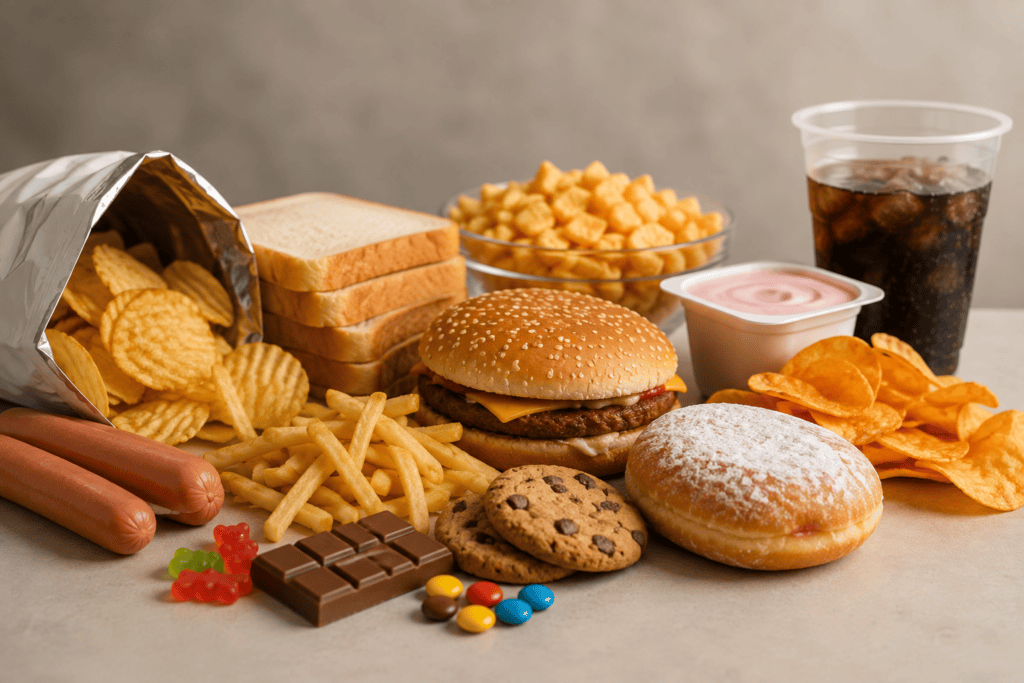
Modern diets are filled with ultra-processed foods designed to bypass your body’s natural fullness signals. Understanding how these engineered foods interact with your biology is the key to regaining control over your appetite and energy.
1. The Hyper-Palatable Trap: How Food Science Overpowers Willpower
Ultra-processed foods are not just basic ingredients cooked together; they are industrial formulations designed for maximum taste appeal.
The Bliss Point
Food manufacturers spend years testing combinations of refined sugar, industrial oils, and salt to hit what sensory scientists call the “bliss point.” This exact ratio triggers a flood of pleasure chemicals in your brain without triggering the natural fullness cues that tell you to stop eating.
Soft Textures and Fast Digestion
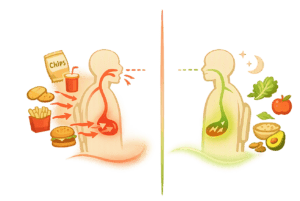
Most ultra-processed foods are pre-broken down during manufacturing. Because they require minimal chewing and contain almost no intact natural fiber, your stomach digests them in minutes. Your blood sugar shoots up instantly, followed by a sharp drop that leaves your brain feeling starved again shortly after eating.
2. The Missing Signal: Why Protein and Fiber Are Essential
Your body determines how full you are by sensing specific nutrients as food moves through your digestive tract.
Stretch Receptors and Fiber
Real, whole foods—like vegetables, beans, apples, and whole oats—contain natural water and dietary fiber. Fiber swells in your stomach, pressing against stretch receptors in your stomach wall that send a direct signal to your brain saying, “We have enough food, you can stop eating now.”
The Protein Leverage Effect
Your body naturally craves a certain amount of protein every day to repair muscles and organs. Ultra-processed snacks are packed with carbs and fats but contain almost no protein. As a result, your brain keeps driving your appetite, encouraging you to keep eating until your basic protein needs are met.
The Ultra-Processed Food Habits Checklist
Watch out for these three subtle signs that your diet relies on foods that trigger constant hunger:
The Bottomless Bowl Feeling: You can finish a large bag of chips or a box of crackers without ever feeling physically full or satisfied.
Post-Meal Energy Slumps: You feel sleepy, heavy, or foggy within 45 minutes of eating lunch or dinner.
Frequent Late-Night Snack Searches: You feel a strong urge to browse the kitchen cabinets late at night, even after eating a full dinner.
Simple Swaps to Restore Natural Fullness
Easy Kitchen Upgrades
Swap Flavored Yogurts for Plain Greek Yogurt: Store-bought flavored yogurts often contain as much sugar as a dessert. Switch to plain Greek yogurt and add fresh berries or a drizzle of raw honey for protein and natural sweetness.
Trade Packaged Snack Bars for Whole Nuts and Fruit: Swap out processed energy bars for a handful of almonds or walnuts paired with an apple or banana for long-lasting energy.
Choose Whole Grains Over Refined Flour: Replace white bread and instant noodles with oats, quinoa, brown rice, or sourdough bread that retain their natural fiber structure.
Simple Mealtime Habits
Prioritize Protein on Your Plate: Start every meal by eating your protein source first (like eggs, fish, chicken, or tofu) before moving on to carbohydrates. Protein stimulates satiety hormones early in the meal.
Chew Your Food Thoroughly: Slow down and chew each bite 15 to 20 times. Giving your mouth and stomach time to process food allows your brain’s fullness signals to catch up before you overeat.